






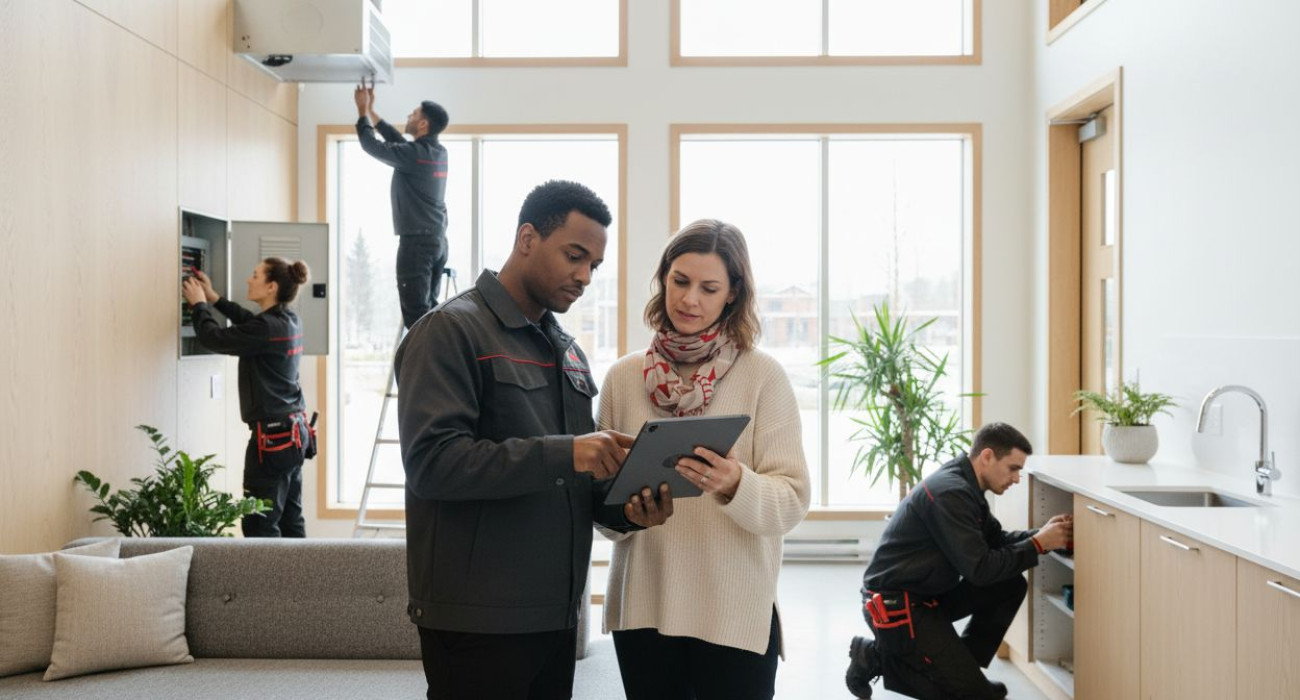
Managing a property can feel overwhelming because it involves laws, tenants, money, and maintenance all at once. Many landlords think problems come from repairs or tenants, which is why tennant screening services are critical, but in reality, most issues happen because of missing records or weak systems. This is why having a list of essential property management forms is very important. These include lease agreements, inspection reports, maintenance records, rent payment logs, and communication forms. They help keep everything organized, legal, and easy to track.
Good property management is not just about reacting to problems. It is about having a clear system that prevents issues before they grow.
1. Understand Legal Requirements
Every property owner must follow local laws. These rules protect both landlords and tenants and help avoid legal trouble.
Key legal areas include:
- Tenant rights and fair treatment
- Safe living conditions like fire safety and clean utilities
- Proper lease agreements with clear terms
- Correct tax reporting for rental income
Keeping updated legal documents is very important. These include contracts, permits, and safety certificates. Laws can change, so reviewing them regularly helps you stay compliant.
2. Create a Maintenance Plan
A property stays in good condition when it is checked regularly. Waiting for damage to happen often leads to higher costs.
A simple maintenance plan includes:
- Daily quick checks (locks, lights, water)
- Weekly cleaning and small repairs
- Monthly system checks (plumbing, electricity)
- Quarterly full property inspections
- Yearly deep maintenance checks
Writing everything down helps you track problems early and avoid bigger repairs later.
3. Communicate Well with Tenants
Good communication builds trust and reduces problems. Tenants are more likely to respect the property when they feel heard.
Good communication habits include:
- Responding quickly to messages
- Using simple and clear language
- Giving updates about repairs or changes
- Offering different contact methods
- Keeping records of conversations
Clear communication helps prevent misunderstandings and improves long-term tenant relationships.
4. Perform Regular Property Inspections
Regular inspections help you find small issues before they become serious problems.
You should check:
- Walls, floors, and ceilings
- Plumbing and electrical systems
- Roof and outdoor areas
- Safety equipment like alarms and locks
Inspections can be done monthly, quarterly, or after tenants move out. Taking notes and photos helps you track changes over time.
5. Market the Property Properly
Good marketing helps you find reliable tenants faster and reduces empty periods.
Effective marketing includes:
- Clear and honest property descriptions
- High-quality photos
- Posting on rental websites
- Using social media platforms
- Setting fair rental prices based on the market
A well-presented property attracts better tenants and improves long-term rental success.
6. Track Income and Expenses
Managing money properly is key to running a successful rental property. Without tracking, it is easy to lose control of cash flow.
You should record:
- Rent payments
- Repair and maintenance costs
- Utility bills
- Taxes and insurance
- Other property-related expenses
Using simple tools like spreadsheets or apps helps keep everything organized and ready for tax reporting.
7. Prepare for Emergencies
Unexpected problems can happen at any time, so having a plan is important.
A good emergency plan includes:
- Emergency contact numbers
- Clear instructions for tenants
- Location of safety tools (fire extinguisher, exits)
- Steps for fire, flood, or power failure situations
- Regular safety reminders
When tenants know what to do, damage and panic can be reduced.
Conclusion
Property management becomes much easier when you follow a clear system. By understanding legal rules, maintaining the property, communicating well, inspecting regularly, marketing effectively, tracking finances, and preparing for emergencies, you can avoid most common problems.
Using a list of essential property management forms keeps everything organized and helps you stay consistent. These forms are the foundation of a smooth and stress-free management process.
In the end, successful property management is about being organized, consistent, and prepared. With the right system in place, you can protect your property, support your tenants, and build long-term stability.