







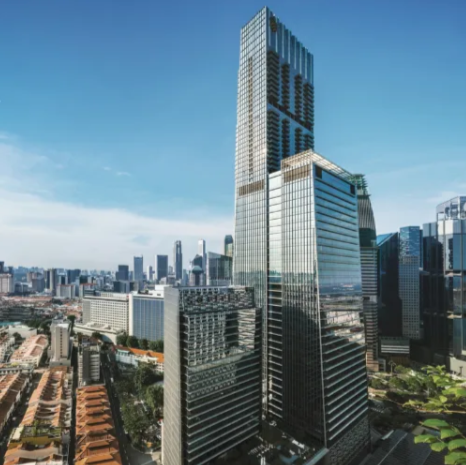
Property buyers in Singapore usually start with the numbers, then somehow end up thinking about lifestyle too. That happens a lot with central developments because location changes more than resale logic or rental math alone. Midtown Bay gets attention for that exact reason. It sits in the kind of area where convenience, image, and daily usefulness all mix together. For investors, that can be attractive, though it also means the decision needs more than surface-level excitement and launch brochure language.
Central homes always start with the location story.
A city centre address keeps doing work long after the first viewing ends. It affects tenant interest, daily travel time, and how easy the property feels to live in when work and leisure both happen nearby. That is one reason Midtown Bay keeps coming up in investor discussions. Location tends to support demand in a steady way when the surrounding area already has transport, offices, dining, and walkable convenience. That part sounds obvious, though it still drives most of the long-term conversation.
Investors should care about usability, not only branding.
Some developments look polished and premium, but the actual unit experience can feel less convincing once you think like a tenant or future buyer. Layout matters. Natural light matters. Storage matters too, even in smaller urban homes. A project can have strong branding and still fall short on practical livability. That is where Midtown Bay deserves a closer look. Investors usually benefit when the home feels easy to use in ordinary life, not just impressive for the first ten minutes of a tour.
Rental appeal often comes from everyday convenience.
Tenants in Singapore often care less about flashy language than people assume. They want an address that cuts commute stress, keeps food and transport nearby, and feels modern enough to justify the rent. That makes central projects easier to evaluate in some ways. Midtown Bay fits into that discussion because it speaks to people who want a city-based routine without long daily travel. For investors, that kind of convenience can help make the property easier to position in the rental market.
Comparison always changes the way a project looks.
No serious buyer reviews one condo in isolation. They compare nearby choices, lifestyle differences, and even projects with a very different atmosphere just to test what matters most. Some buyers looking at Midtown Bay may also think about Cape Royale, even though the living experience is not really aimed at the same mood or location dynamic. That comparison still helps. Cape Royale often brings in a different type of prestige discussion, while Midtown Bay leans more toward compact urban usefulness and central access.
Compact units can still work for investment logic.
Bigger is not always better in a city market where efficiency matters. Smaller homes can perform well when they are laid out smartly and placed in an area people genuinely want to live in. That part gets missed when buyers focus too much on size alone. Midtown Bay may appeal to investors who understand that central convenience can sometimes offset a more compact format. The unit still has to feel liveable, obviously, but efficiency can support both rental demand and future buyer interest.
Exit strategy should stay part of the discussion.
This is where emotions need to calm down a bit. Buying for investment means thinking beyond the entry point. How easy might the property be to rent out later? Who is the likely buyer profile on resale? What kind of competition may exist in the same segment? Those questions matter just as much as the launch appeal. Midtown Bay deserves to be viewed through that lens. Even when compared with Cape Royale, the investment case depends on audience fit, not just project reputation alone.
Conclusion
A useful condo investment review should go beyond design language and look closely at location, tenant appeal, unit usability, and long-term exit thinking. Midtown Bay stands out for investors who value central living, urban convenience, and a property type that aligns with a faster city routine in Singapore. While comparisons with Cape Royale may come up during the search, the appeal here is more tied to practical city centre demand than to a lifestyle built around a very different setting. Investors should review the unit layout, pricing logic, and likely tenant profile carefully before making any move. Speak with a qualified property professional and assess the opportunity with clear investment goals in mind.