





Property development is an industry where experience can shape how opportunities are identified, assessed, and transformed into completed projects. With a professional background connected to construction, civil infrastructure, and property, Danny Hanna has developed a perspective that brings practical industry knowledge together with a broader development vision. This combination can support a disciplined approach to identifying opportunities and turning them into projects designed around quality, functionality, and long-term relevance.
Table of Contents
- Experience as a Development Advantage
- Turning Opportunity Into Vision
- The Role of Design Excellence
- Connecting Property With Infrastructure
- Creating Value Across Different Sectors
- Innovation With a Practical Purpose
- Building for Long-Term Relevance
- From Experience to Opportunity
- Conclusion
Experience as a Development Advantage
Industry experience provides a valuable understanding of how different parts of the property process interact. Construction knowledge can offer insight into site conditions, project coordination, materials, delivery requirements, and the practical considerations that influence development outcomes.
This foundation can make opportunity assessment more informed. Rather than looking at a property simply as a piece of land, an experienced development perspective considers what the site could become and how its potential can be translated into a practical project.
Turning Opportunity Into Vision
Landmark developments typically begin with a clear concept. The development process involves examining a site’s characteristics, understanding its intended purpose, and establishing a vision that connects design with practical requirements.
A strong vision can provide direction throughout the project lifecycle. It can guide decisions around architecture, infrastructure, construction, landscaping, accessibility, and the eventual experience of occupants or users.
The Role of Design Excellence
Design remains a significant part of creating distinctive property developments. Strong design can establish identity while also improving functionality, efficiency, and usability.
A design-led perspective considers more than visual appeal. Proportion, layout, materials, access, surrounding spaces, and the relationship between different parts of a development can all influence the final result. When these elements are carefully coordinated, a project can achieve both character and practical value.
Connecting Property With Infrastructure
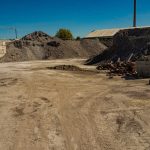
Property development and civil infrastructure are closely connected. The success of a development can depend on access, site preparation, services, drainage, connectivity, and other supporting infrastructure.
Experience across these areas creates an opportunity to consider infrastructure from the earliest stages of planning. This integrated approach can help ensure that the physical environment supports the property’s intended use and contributes to efficient project delivery.
Creating Value Across Different Sectors
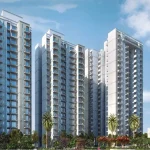
A broad development perspective can be applied across multiple property categories. Residential projects require attention to lifestyle, comfort, and community-oriented design. Commercial properties often focus on accessibility, flexibility, and business functionality. Industrial developments can place greater emphasis on logistics, access, storage, and operational efficiency.
Understanding these differences allows each project to be approached according to its individual requirements while maintaining consistent standards for quality and design.
Innovation With a Practical Purpose
Innovation can play an important role in identifying better ways to use land and deliver property projects. Its value becomes strongest when it addresses a genuine requirement or improves the performance of a development.
This can include new design concepts, construction approaches, efficient use of space, or improved infrastructure solutions. Combining innovation with practical experience creates opportunities for developments that are contemporary while remaining grounded in real-world requirements.
Building for Long-Term Relevance
The strongest development opportunities are not defined only by their completion date. Long-term performance is influenced by durability, adaptability, functionality, and the ability of a property to respond to changing requirements.
A forward-looking approach therefore considers how a development may continue to serve its users in the years ahead. This perspective can support projects that retain their usefulness and relevance as surrounding environments evolve.
From Experience to Opportunity
Professional experience becomes particularly valuable when it can be applied to new opportunities. Knowledge gained through construction and infrastructure can provide a practical foundation, while property development brings together commercial, design, and strategic considerations.
The result is a more complete development perspective in which opportunity is evaluated not only for what it is today, but for what it has the potential to become.
Conclusion
The journey from industry experience to landmark development opportunities is built on the ability to connect knowledge with vision. Danny Hanna’s professional perspective brings together construction understanding, infrastructure awareness, design considerations, and property development thinking. By combining these elements with a focus on innovation and long-term quality, development opportunities can be transformed into purposeful projects that contribute lasting value to the built environment.
At a Glance
- Danny Hanna leverages his background in construction and civil infrastructure to enhance property development opportunities.
- A disciplined approach to development involves assessing site characteristics, establishing a vision, and incorporating design with practical requirements.
- Strong design in property development not only improves visual appeal but also enhances functionality, efficiency, and usability.
- The success of property developments is closely linked to the integration of civil infrastructure, which includes access, site preparation, and connectivity.
- Different property categories such as residential, commercial, and industrial require distinct approaches while maintaining consistent quality standards.
- Long-term relevance in development is influenced by factors such as durability, adaptability, and the ability to meet changing user requirements.