





As we enter 2026, the Singapore real estate market has officially pivoted toward a structural growth model. With the island-wide property market projected to reach USD 56.15 billion this year and grow at a steady 4.63% CAGR through 2031, the “easy gains” of general speculation have been replaced by the high-conviction rewards of strategic infrastructure plays.
The headline story of 2026 is the maturation of two polar opposite but equally lucrative gateways: the high-tech Forest Town of Tengah and the high-prestige Coastal Precinct of Bayshore.
1. The West: Harvesting the “Innovation Dividend” in Tengah
In 2026, Tengah has shed its “frontier” label. With over 14,000 households already in residence and the Parc Point Neighbourhood Centre officially open, the town has reached its critical tipping point. For investors, the benefit is simple: Tengah is the residential engine room for the Jurong Innovation District (JID) and Tuas Mega Port.
Strategic Investment Benefits:
- The “First-Mover” Value Gap: As the inaugural private residential anchor, Tengah Garden Residences offers a unique entry price before the 2030 arrival of Anglo-Chinese School (Primary) further resets district benchmarks.
- Smart Facility Alpha: The Tengah Garden Residences facilities—including automated waste collection and AI-monitored energy grids—are attracting a new generation of “Green Tenants” willing to pay a premium for reduced utility overheads.
- Exit Liquidity: The surge in family living in Tengah, driven by car-lite streets and safe-by-design school paths, ensures a massive pool of future HDB upgraders from the surrounding Jurong and Bukit Batok heartlands.
2. The East: Leveraging “Coastal Alpha” in Bayshore
While the West masters innovation, the East is leveraging absolute scarcity. The 2026 completion of the Thomson-East Coast Line (TEL) Stage 5 has fundamentally “shrunk” Singapore. Bayshore is now a 20-minute rapid-transit ride to the Marina Bay Financial Centre, triggering a massive recalibration of RCR (Rest of Central Region) asset values.
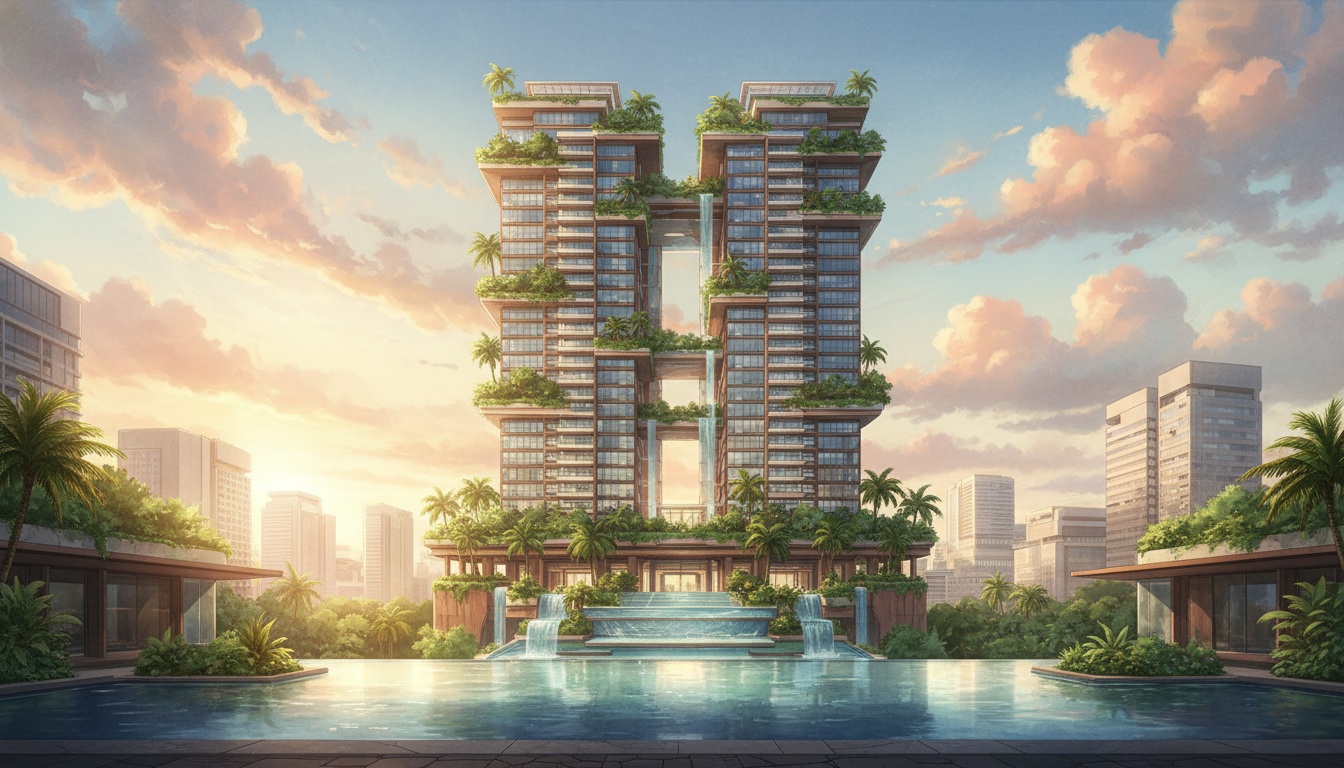
Vela Bay (Vela One) stands as the vanguard of this coastal transformation.
Strategic Investment Benefits:
- The “TEL” Appreciation Cycle: With the Bayshore MRT station fully operational at its doorstep, Vela Bay has transitioned from a “lifestyle asset” to a “strategic commuter hub,” driving immediate rental demand from CBD professionals.
- Modern Executive Appeal: The urban lifestyle Vela Bay represents is tailored for the 2026 hybrid workforce. The Vela Bay condo features—including soundproofed co-working suites with panoramic sea views—cater to a workforce that refuses to choose between nature and productivity.
- Long-Term Hedging: The government’s “Long Island” project acts as a multi-decade hedge, ensuring that the East Coast remains Singapore’s premier recreational gold coast, effectively safeguarding your capital against market saturation.
2026 Strategic Matrix: Where Should You Deploy?
| Benefit Category | Tengah (The Forest Gateway) | Bayshore (The Coastal Hub) |
| Primary Yield Driver | Tech-Workforce Proximity | CBD Commuter Connectivity |
| Asset Character | Structural Growth Play | Legacy Wealth Preservation |
| Key Anchor | Family Living in Tengah | Urban Lifestyle Vela Bay |
| Infrastructure Link | Jurong Region Line (JRL) | Thomson-East Coast Line (TEL) |
Conclusion: Positioning for the 2030 Horizon
The Singapore of 2026 rewards the informed buyer. Whether you are banking on the biophilic, tech-driven ecosystem of the West or the prestige-laden, transit-fused efficiency of the East, you are investing in a version of Singapore that is faster, greener, and more intentionally designed.
With land bid prices for new GLS sites in the East reaching $1,388 psf ppr, the current entry points in these transformed corridors offer a rare “Goldilocks” window of safety and upside.